Transform Your Space: Key Information About Home Remodeling Services for All Property Owners
Property owners frequently look for options to upgrade their residences through remodeling services. These projects can range from small kitchen fixes to full house remodeling. Knowing the choices accessible is necessary to deciding wisely. Moreover, one must consider practical considerations like budgeting and selecting the professional contractor. As householders start this endeavor, they might encounter unforeseen difficulties. The secret to a great renovation lies in meticulous preparation and performance. What should be done subsequently?
Grasping the Diverse Forms of Residential Renovation Work

When homeowners consider renovating their homes, they frequently come across many different types of services designed for specific preferences and preferences. These projects are generally grouped into a few distinct groups, all dealing with certain elements of residential enhancement. Renovating the kitchen involves modernizing fixtures, storage units, and floor plans to improve usability and the look. Renovating the bathroom usually includes improving the fittings, the ceramic work, and organizational units for improved comfort and visual flair.
Full-house renovation covers significant changes throughout the residence, often including structural alterations to optimize space and flow. Outdoor renovation projects, in contrast, concentrate on enhancing the property's street view, dealing with the cladding, roofing, and the yard. Additionally, specialized services including converting the cellar and upgrading the attic help residents make the most of underutilized spaces. All these service types delivers specific perks, enabling homeowners to choose options that match their goals for their living environment. Understanding these distinctions is vital for making informed decisions during the renovation process.
Establishing a Practical Spending Plan for Your Home Improvement Work
How can homeowners guarantee their home upgrades are kept financially viable? Creating a sensible budget is crucial. It is advisable for homeowners to begin by assessing their monetary resources, covering savings and possible funding sources. This first stage allows one to figure out how much can be allocated for the updating project without compromising other financial responsibilities.
Afterward, those undertaking the remodel should investigate the expenses linked to their planned updates, including materials, labor, and surprise expenses that tend to crop up. Creating a detailed list of priorities aids in separating necessities from non-essential items, allowing for adjustments if the budget tightens.
It is smart to incorporate a reserve fund, generally 10-20% of the entire budget, to account for surprise expenditures. Periodically examining and tweaking the budget throughout the remodeling process can also help maintain financial control. Ultimately, a well-planned budget not only guarantees project viability but also enhances the overall remodeling experience for those living in the home.
Finding the Best Contractor for Your Needs.
Choosing the appropriate professional can greatly impact how well a renovation turns out. Homeowners should begin by performing extensive investigation, asking for referrals from friends, family, or internet reviews. It’s vital to verify credentials, such as licenses, insurance, and surety bonds, to establish credibility.
When prospective builders are located, they should seek detailed cost breakdowns and timeframes, making it possible to compare options knowledgeably. Discussions reveal their approach to dialogue and their level of expertise, which are crucial for working together effectively.
Additionally, reviewing past projects through portfolios or references demonstrates the professional's skill level. Property owners must also ask about guarantees or assurances, which shows the professional's belief in their output.
In the end, choosing a professional who matches the homeowner's goals, finances, and schedule fosters a more positive remodeling experience, making certain the outcome satisfies needs and changes the space as intended.
Structuring and Laying Out The Space You Envision.
When property owners picture their perfect areas, meticulous organization and deliberate design form vital parts of an effective updating job. The initial phase includes assessing present requirements and long-term goals, which permits a comprehensive grasp of the room's intended function. Owners must take into account functionality, visual appeal, and their individual taste, to guarantee the design showcases their unique preferences.
Next, developing a comprehensive budget is essential. This budget should account for materials, labor, and potential unforeseen expenses. Consulting with design experts can offer helpful perspectives, aiding in maximizing the area while sticking to budgetary constraints.
Integrating components like natural light, spacious designs, and eco-friendly supplies can improve the final result. Finally, visualizing the project through mock-ups or 3D visualizations can help perfect concepts before starting the work. By approaching the planning and design phase with intention, homeowners can design a welcoming, practical area suited to their way of life.
Understanding Regulations and Permits in Home Remodeling
Grasping the intricacies of permits and rules can be intimidating for homeowners starting on a remodeling project. Each municipality has specific rules that govern what can be done during renovations, frequently shaped by area restrictions, building codes, and security requirements. It is essential for homeowners to understand local regulations to prevent expensive penalties or construction hold-ups.
Typically, obtaining permits is crucial for major changes, such as structural changes or new wiring installations. This process usually necessitates providing designs for examination and might see here demand site visits at different phases.
Hiring an experienced builder can make this procedure easier, as they are typically experts in municipal rules and can aid in filing necessary forms. It is important for homeowners to communicate regularly with the city's regulatory body to verify legality throughout the project. By understanding and maneuvering through these requirements, homeowners can meet their renovation objectives and maintaining compliance with the law in their renovations.
Common Queries
How Much Time is Needed for a Typical Remodeling Job?
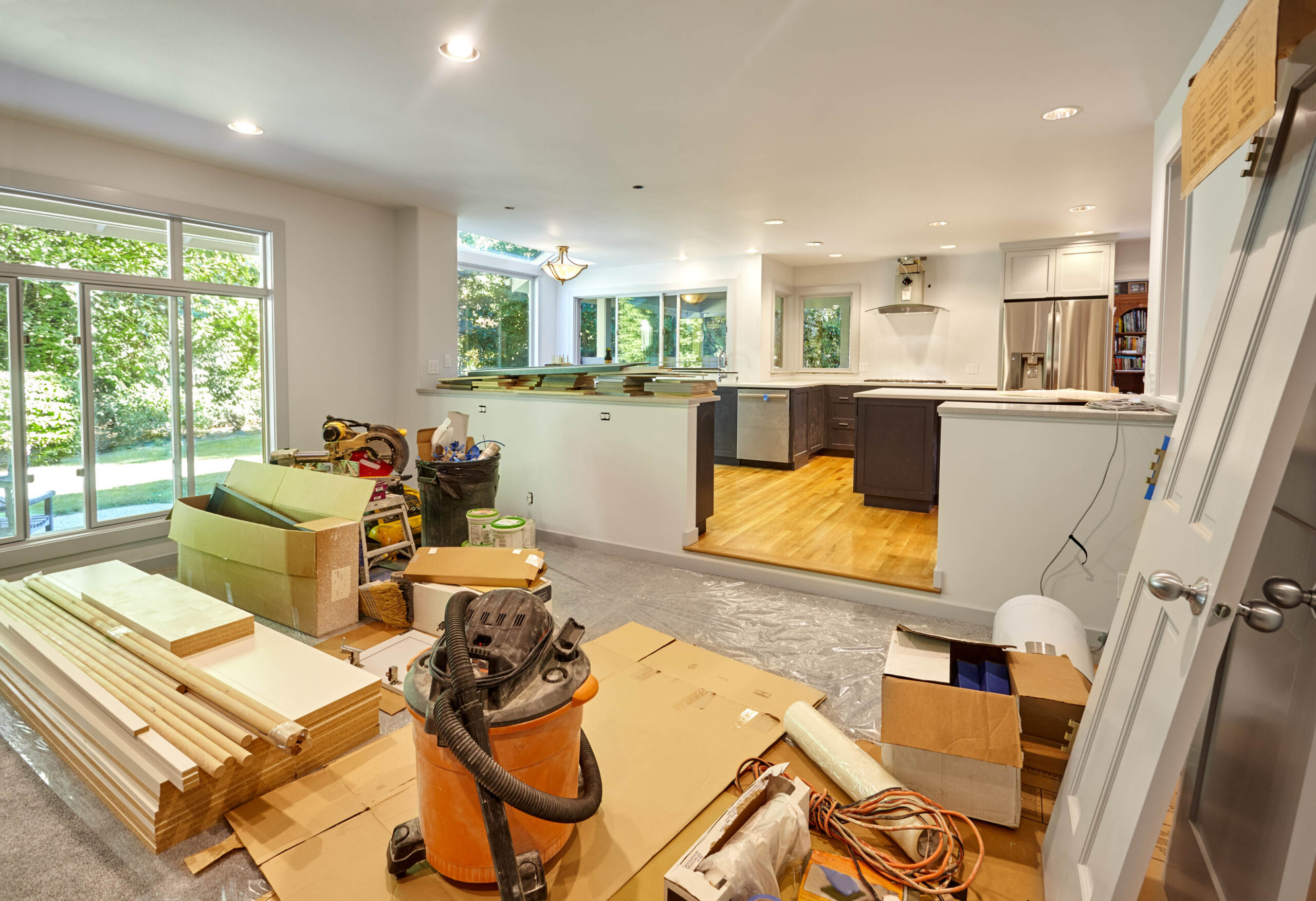
A standard home renovation generally requires three to six months on average, contingent upon the extent of the project, size of the home, and availability of materials. Complex projects may require additional time for completion.
What are common mistakes to avoid throughout the renovation process?
Frequent errors when renovating a home include miscalculating costs, ignoring necessary permits, not adhering to the project schedule, failing to communicate effectively with your builders, and failing to think about long-term functionality. Awareness of these pitfalls often results in a less stressful, more positive renovation outcome.
What's the best way to select the right materials for my renovation?
Selecting appropriate supplies requires assessing durability, aesthetics, and cost constraints. Researching options, getting expert advice, and factoring in how much care they require will significantly help to make smart choices, ensuring the project aligns your needs and preferences.
Can I live in my home during renovations?
Yes, one can live in their home during renovations, but it could be uncomfortable. Careful planning, clear communication with contractors, and designating specific areas where you can live normally can lessen the stress throughout the project.
What warranties should I expect from the renovation company?
Homeowners should expect warranties covering workmanship, the products installed, and the integrity of the structure, typically ranging from one to ten years. It is crucial to review the fine print and details with contractors to clearly grasp what is covered and what is excluded.